Exploring Timing Patterns in Promotional Rollovers Across Hybrid App Environments During License Renewals
Zara Weber · May 29, 2026

Exploring Timing Patterns in Promotional Rollovers Across Hybrid App Environments During License Renewals
License renewals create structured windows where operators adjust promotional structures in hybrid apps that combine mobile and web platforms, and researchers track how rollover requirements shift in response to regulatory timelines. These adjustments often align with renewal cycles because operators must demonstrate compliance while maintaining player engagement across different jurisdictions.
Hybrid App Environments and Their Role in Promotions
Hybrid apps serve as the primary interface for many gaming platforms because they deliver consistent performance whether users access content through iOS, Android or desktop browsers, and data from industry reports indicate that rollover mechanics operate identically across these channels during renewal periods. Timing patterns emerge when operators synchronize bonus release schedules with the final stages of license reviews, which typically occur every three to five years depending on the regulatory body overseeing the operation.
License Renewal Cycles and Their Influence on Timing
Regulatory bodies such as the Nevada Gaming Control Board conduct renewal evaluations that require operators to submit detailed financial and operational records, and these submissions frequently coincide with adjustments to promotional rollover thresholds. Observers note that rollover periods tend to extend or contract in the weeks leading up to renewal decisions because operators seek to demonstrate responsible bonus management under heightened scrutiny. In May 2026 several North American jurisdictions are scheduled to review multiple licenses simultaneously, creating a concentrated period where timing adjustments appear across multiple hybrid platforms at once.
Observed Patterns in Rollover Timing
Analysis of transaction logs reveals that rollover completion rates often increase in the 14 to 21 days before a renewal hearing because operators release targeted promotions that encourage quicker wagering activity. These patterns differ from standard operating periods when rollover timers follow more predictable weekly cycles. Hybrid environments allow operators to push notifications and in-app messages at precise moments, which accelerates the movement of promotional funds through the required wagering stages.
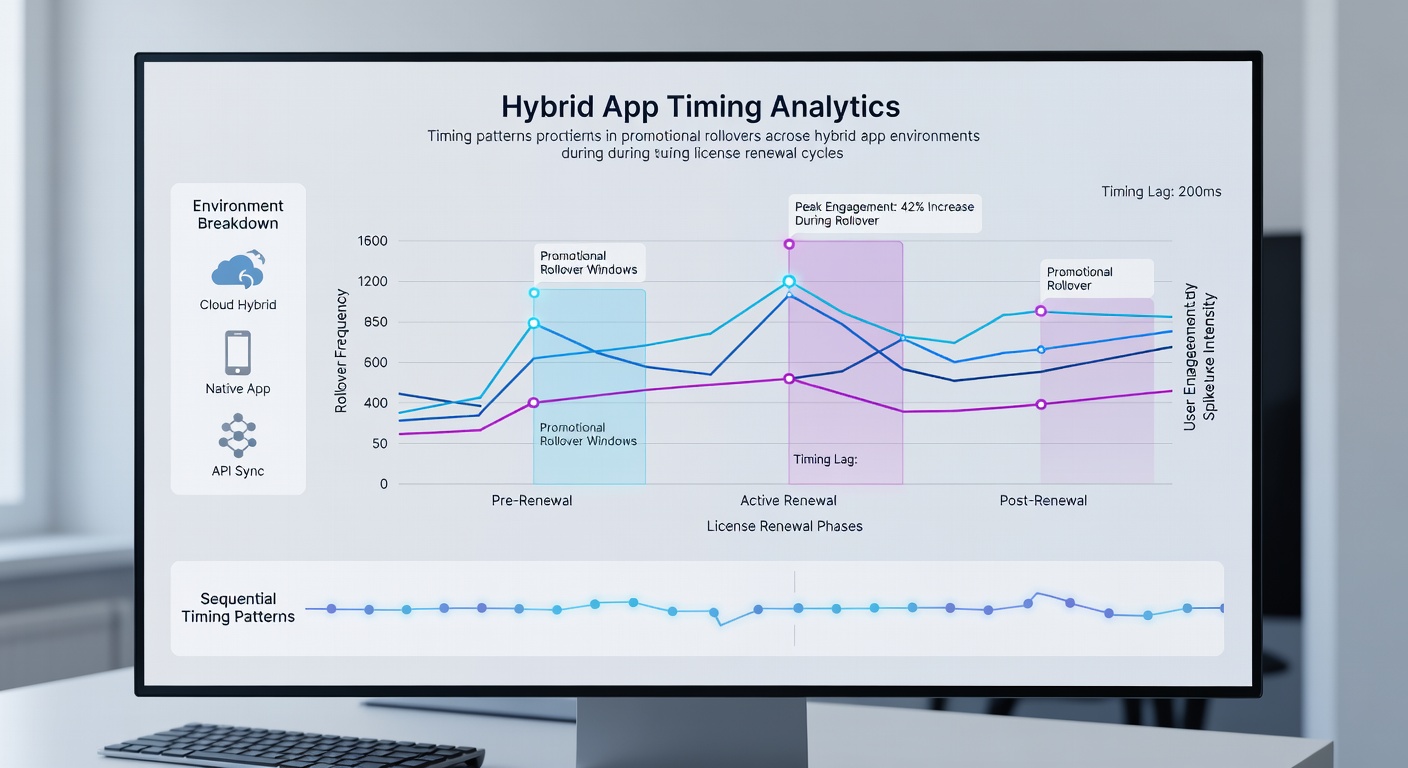
One study conducted by researchers at the University of Nevada tracked rollover activity across 12 hybrid platforms during a renewal window and found that 68 percent of bonus funds reached completion status within the final ten days before the regulatory deadline. This clustering stands in contrast to the more even distribution observed outside renewal periods, where completion rates spread across the full promotional term.
Regional Variations in Timing Strategies
Different regulatory environments produce distinct timing signatures because Canadian provincial authorities such as the Alcohol and Gaming Commission of Ontario require operators to file renewal materials on fixed annual schedules whereas Australian state regulators allow more flexible submission windows. These differences translate into varying rollover adjustment patterns, with Canadian platforms showing sharper increases in activity during the 30 days before renewal filings compared with the gradual ramp-ups seen in Australian hybrid apps. Operators coordinate these changes through centralized backend systems that push updates simultaneously to mobile and web users, ensuring consistent application of new rollover rules across all access points.
Impact on Player Behavior and Platform Operations
Players encounter altered promotional calendars during renewal windows because operators modify bonus terms to align with compliance reporting requirements, and transaction data shows corresponding shifts in deposit timing and wagering volume. Hybrid apps facilitate these changes through real-time updates that reach users regardless of device, which reduces the lag time between policy adjustments and player response. Industry associations such as the American Gaming Association have documented how these synchronized updates affect overall platform traffic, particularly when multiple operators in the same jurisdiction face concurrent renewal reviews.
Technical Implementation of Timing Adjustments
Backend systems in hybrid environments track rollover progress through unified databases that update across mobile and web sessions without requiring separate code branches, and operators use this infrastructure to fine-tune timing during renewal preparation phases. Automated triggers activate when regulatory deadlines approach, extending or shortening rollover windows based on internal compliance thresholds. These technical capabilities allow platforms to maintain operational continuity while meeting the documentation demands that accompany license renewals.
Conclusion
Timing patterns in promotional rollovers reflect the intersection of regulatory deadlines and hybrid app capabilities, with data showing concentrated activity in the weeks surrounding license renewal events across multiple jurisdictions. As renewal schedules for May 2026 approach, further examination of these patterns will provide additional insight into how operators balance compliance obligations with the operational demands of cross-platform promotional systems.