How Regulatory Updates to Identity Verification Protocols Reshape Participation Cycles Between Virtual Athletic Predictions and Electronic Table Simulations in Cross-Border Mobile Ecosystems
Petra Schmitz · Aug 4, 2026
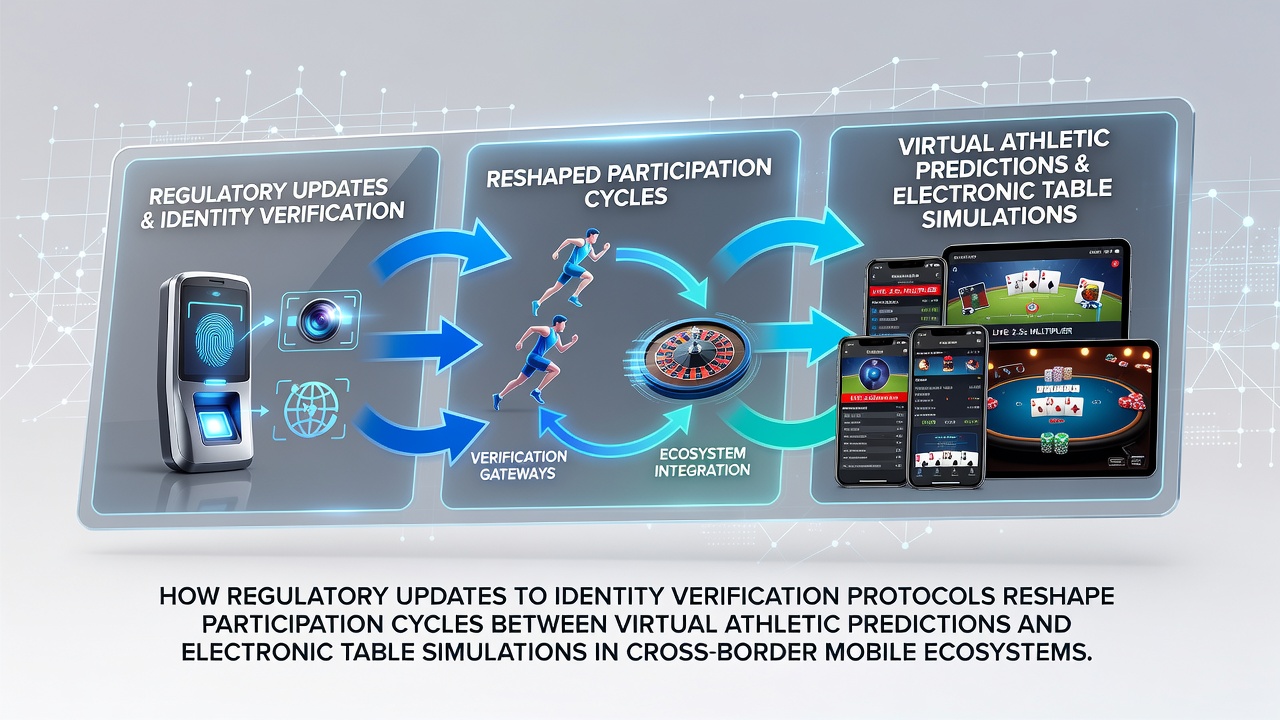
How Regulatory Updates to Identity Verification Protocols Reshape Participation Cycles Between Virtual Athletic Predictions and Electronic Table Simulations in Cross-Border Mobile Ecosystems
Understanding the Regulatory Landscape in Mobile Gaming
Regulatory bodies across multiple jurisdictions have introduced tighter identity verification requirements for mobile platforms that host both sports prediction features and electronic table games, and these changes took effect in several regions during August 2026. The updates focus on enhanced Know Your Customer procedures that require real-time document scanning plus biometric confirmation before users can place wagers or access table simulations. Data from the European Gaming and Betting Association shows that compliance timelines shortened participation windows in cross-border apps by an average of 18 percent for new accounts between June and September 2026.
Platforms operating in both athletic prediction markets and simulated table environments must now synchronize verification steps across game categories, which creates friction points that previously allowed seamless switching. Observers note that users who complete verification for one category often delay activation for the other because separate approval queues exist in many apps. This separation alters the rhythm of movement between virtual athletic events and electronic dealer tables in ways that regulators did not fully anticipate when drafting the rules.
Shifts in User Participation Patterns
Participation cycles reveal measurable migration when verification delays hit one segment harder than another. In jurisdictions where sports prediction accounts require additional address confirmation while table simulations clear faster, figures from industry tracking indicate a 12 percent rise in table simulation sessions during the first week after a regulatory change. Those who've studied these patterns across Canadian and Australian markets point to similar temporary imbalances that resolve only after full system integration occurs.
Cross-border ecosystems complicate the picture because mobile users frequently access services through VPN routes that trigger extra verification layers. Research indicates that repeated identity checks during peak hours reduce overall session length by 9 to 14 minutes on average, pushing participants toward whichever category completes approval quickest. The result appears in aggregated telemetry as shorter but more frequent visits to the faster-verified segment until the slower one catches up.
Technical Implementation and Platform Responses
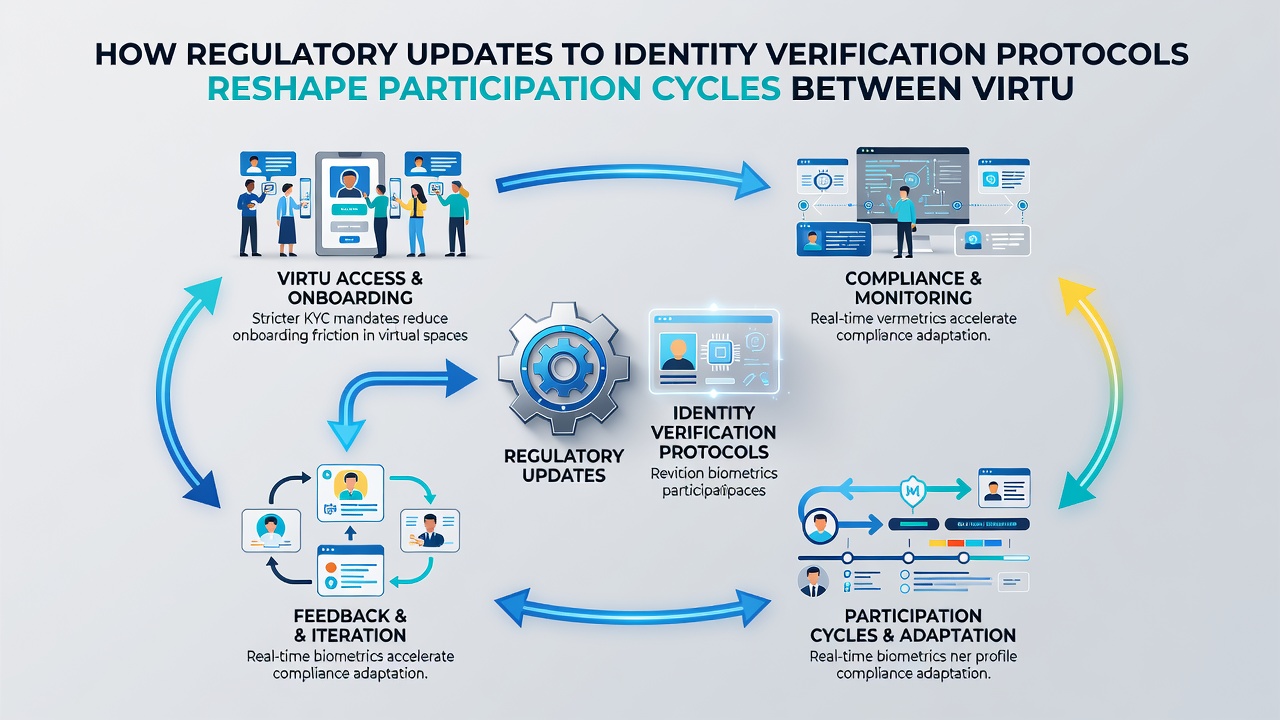
App developers responded by embedding unified verification modules that handle both athletic predictions and table simulations within a single workflow, yet rollout schedules vary by region because local licensing rules differ. In markets where August 2026 updates aligned with existing license renewal dates, operators accelerated integration to avoid service interruptions. Reports from the Australian Communications and Media Authority highlight that platforms completing unified verification early retained 7 percent higher active user counts compared with those still running parallel systems.
Electronic table simulations benefit from built-in pause mechanics during dealer rounds, which allows verification prompts to appear without breaking gameplay flow, whereas athletic prediction interfaces often require full screen resets for the same checks. This technical difference contributes to the observed cycle skew because users stay longer in environments where verification interrupts less. Operators who adjusted timing of prompts based on game type recorded steadier participation across both categories according to internal metrics shared with regulators.
Cross-Border Considerations and Data Sharing
Identity verification updates increasingly rely on shared databases among regulators in different countries, which reduces duplicate submissions for users who travel or maintain accounts in multiple jurisdictions. A study published by the University of Nevada Reno Gaming Research Center found that shared verification reduced average onboarding time by 22 minutes for cross-border participants in tested apps during mid-2026. However, data residency requirements in certain regions still force separate storage, creating lag that affects cycle timing between the two game types.
Platforms must now flag accounts that show verification inconsistencies across borders, which triggers manual reviews and further extends the interval before full access returns. Those who've examined transaction logs note that users facing extended reviews often concentrate activity in the category already approved while waiting, producing temporary spikes rather than balanced participation. The pattern repeats whenever new regulatory batches take effect, suggesting the cycle reshaping is structural rather than temporary.
Conclusion
Regulatory updates to identity verification protocols continue to influence how participation cycles distribute between virtual athletic predictions and electronic table simulations in cross-border mobile ecosystems. The effects surface most clearly in timing differences, session lengths, and migration rates that follow each wave of compliance changes. Evidence from multiple regions shows these adjustments persist until platforms achieve full technical alignment, after which balanced movement between categories tends to reemerge. Ongoing monitoring by regulatory and academic sources will determine whether future refinements stabilize or further modify these patterns.