How Tournament Schedules Drive Payment Method Preferences in Mobile Gambling Applications
Paul Braun · Aug 23, 2026
How Tournament Schedules Drive Payment Method Preferences in Mobile Gambling Applications
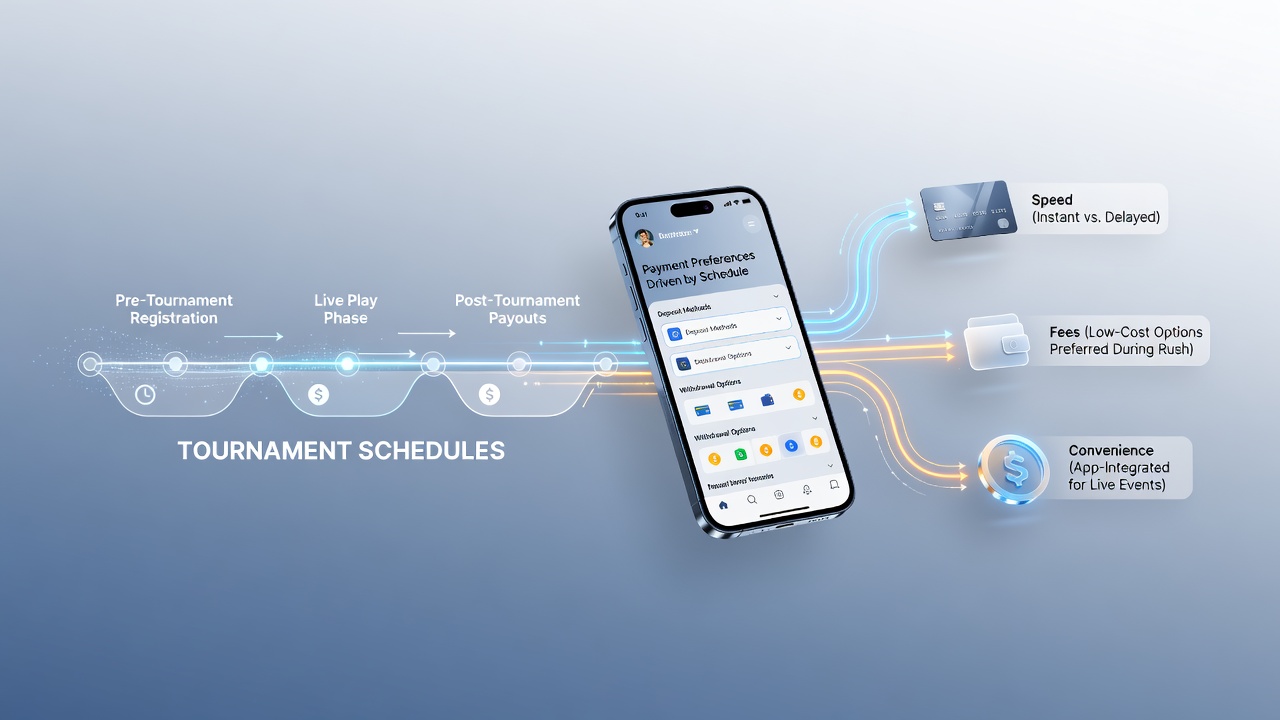
Tournament schedules in mobile gambling applications create distinct patterns in how players select payment methods, and data from multiple jurisdictions shows these rhythms align closely with event timing rather than random choice. Observers note that daily and weekly tournament calendars push users toward certain transaction tools at specific hours, while longer seasonal events shift preferences across entire weeks or months, and figures from regulatory reports confirm these correlations hold steady across different platforms and regions.
Daily and Weekly Tournament Rhythms Shape Deposit Timing
Mobile gambling apps typically structure tournaments around fixed start times that cluster in evening hours and weekend blocks, and players respond by favoring payment methods that process instantly during those windows. Research indicates that when a major poker or slot tournament begins at 8 p.m. local time, the volume of same-minute deposits rises sharply compared with off-peak periods, and e-wallet services handle the majority of those transactions because they clear in under thirty seconds. Card payments and bank transfers see lower uptake at these moments because settlement delays can prevent users from joining before registration closes.
Studies tracking user behavior across several platforms reveal that weekly leaderboards reset on Mondays and Thursdays in many apps, and this pattern produces recurring spikes in payment activity on Sunday evenings and Wednesday afternoons. Those who've examined transaction logs find that players switch to prepaid vouchers or digital wallets on these days to avoid the multi-day holds associated with traditional bank rails, and the result is a measurable uptick in those methods during the 24 hours before each reset.
Seasonal Events and Multi-Week Competitions Alter Preferences
Longer tournament series that span several weeks create different payment dynamics because participants need repeated funding over extended periods. Data shows that during month-long promotions or league-style events, users migrate toward methods that support scheduled or recurring transfers, such as linked e-wallets with auto-top-up features. In contrast, one-off high-stakes tournaments that run for a single weekend draw heavier use of instant crypto options, particularly when prize pools exceed certain thresholds and players seek to move larger sums quickly.
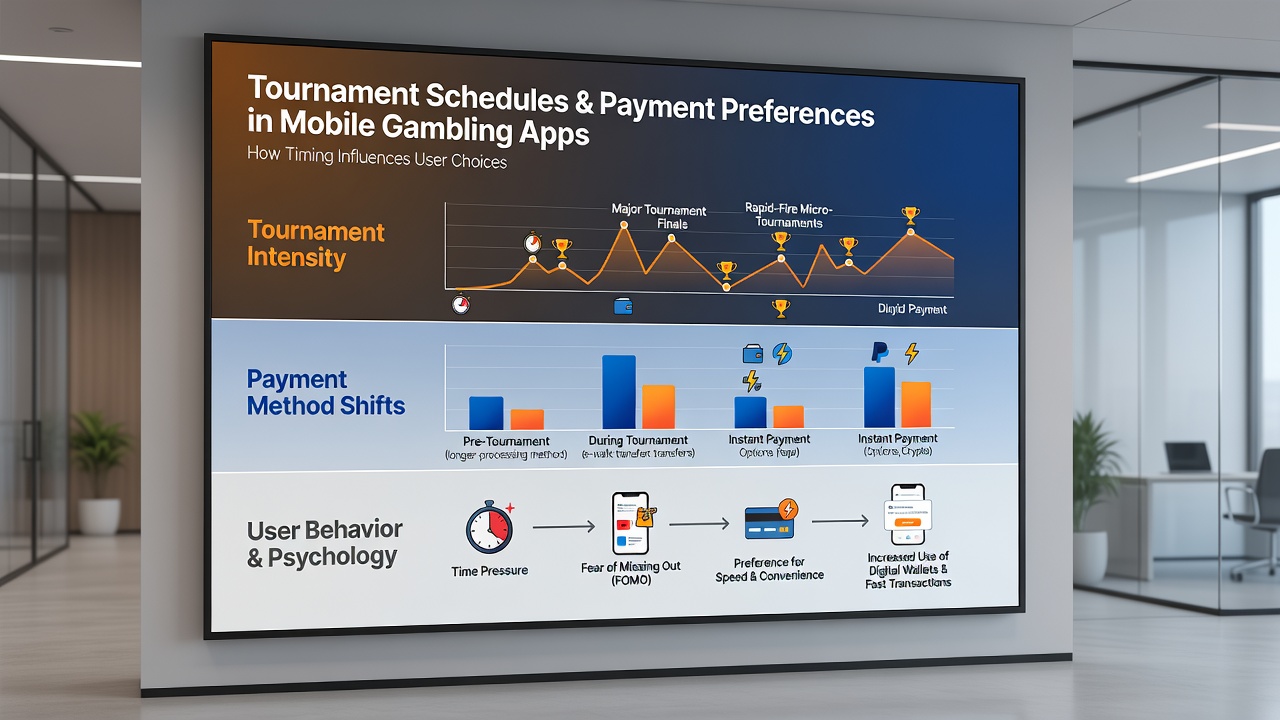
August 2026 brought several overlapping regional series in North American and European markets, and transaction records from those periods demonstrate a clear preference shift toward stablecoin-based wallets once events extended past seven days. The New Jersey Division of Gaming Enforcement published aggregate figures that month indicating a 23 percent rise in digital asset deposits during extended tournaments compared with shorter daily formats, while bank transfer volumes remained flat. Similar patterns appear in reports covering Australian markets, where industry analyses from the Australian Gambling Research Centre link multi-week competition calendars to increased adoption of instant settlement tools.
Regional Regulatory Frameworks Influence Which Methods Dominate
Different licensing regimes impose varying speed and fee requirements on payment processors, and these rules interact directly with tournament calendars. In jurisdictions where regulators mandate same-day settlement for all deposits, players show less variation in method choice because most options meet the timing demands. Yet in markets with lighter restrictions on processing times, the schedule pressure becomes more visible, and users cluster around the fastest available rails during peak registration windows.
One study released by researchers at the University of Nevada, Reno examined six months of mobile app data and found that tournament-driven spikes in e-wallet usage were strongest in states with fewer mandated payout timelines. The same analysis noted that crypto adoption accelerated when tournaments overlapped with banking holidays, since traditional rails slowed while blockchain transfers did not. Observers tracking these trends point out that platforms often highlight instant methods in app notifications timed to tournament announcements, further reinforcing the observed preferences.
Payment Method Characteristics Match Tournament Demands
E-wallets, prepaid cards, and certain cryptocurrencies share the common trait of near-instant confirmation, and this trait aligns with the narrow registration windows common in mobile tournaments. Bank wires and ACH transfers, while secure, carry delays that make them less suitable when a tournament fills within minutes of opening. Figures released by several platform operators show that e-wallet share of deposits climbs from roughly 35 percent on average days to over 60 percent on days with multiple overlapping events.
Those monitoring loyalty integrations report that many apps now tie bonus releases to specific payment methods during tournament periods, and players respond by selecting the rewarded option even when it differs from their usual choice. This incentive layer adds another variable, yet the underlying driver remains the need to fund accounts before a scheduled start time passes.
Conclusion
Tournament schedules function as predictable drivers of payment behavior in mobile gambling applications, and evidence from regulatory filings and academic analyses confirms that timing, speed requirements, and event duration shape which methods see the highest use. Daily resets favor instant wallets, extended series increase recurring and crypto options, and regional rules modulate how strongly these patterns appear. As calendars continue to evolve, transaction data will likely keep reflecting these established relationships between schedule structure and payment selection.