How Virtual Reality Interfaces Alter Risk Assessment Timelines in Niche Esports Wagers Across State Lines
Dana Roth · Jul 24, 2026
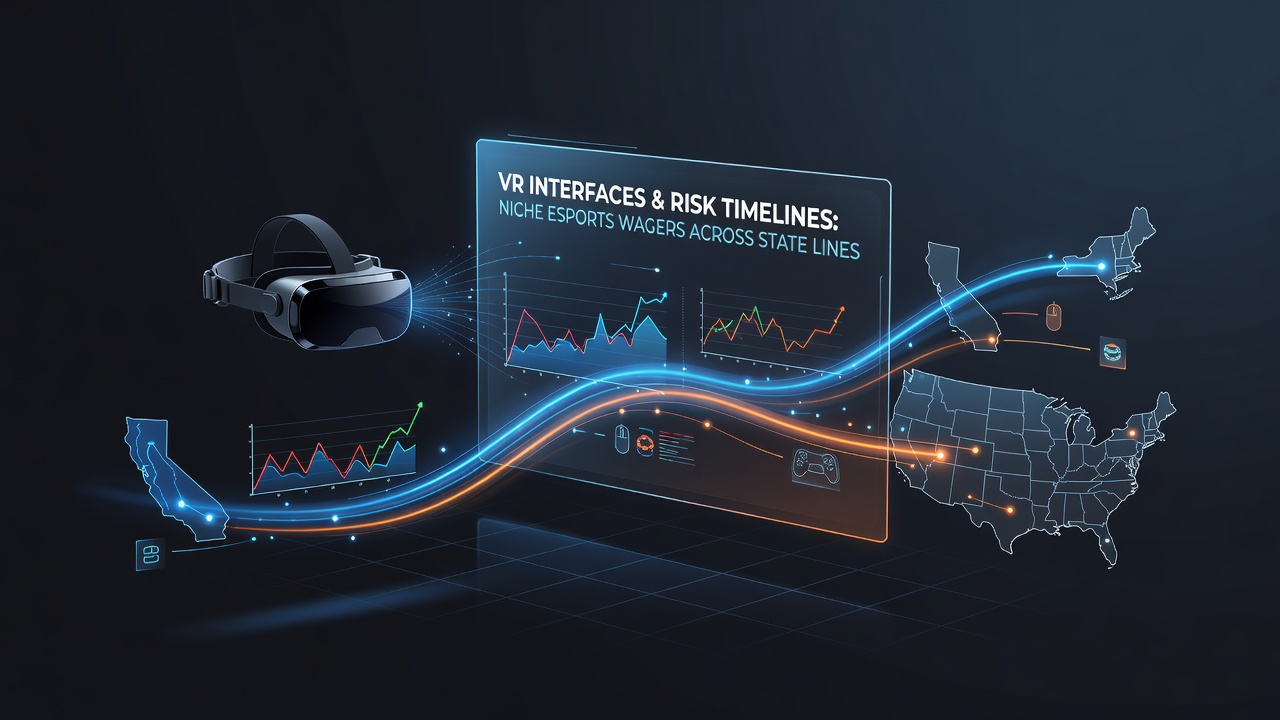
How Virtual Reality Interfaces Alter Risk Assessment Timelines in Niche Esports Wagers Across State Lines
Virtual reality interfaces have begun reshaping how participants evaluate risks during niche esports wagers that cross state boundaries, where regulatory differences create layered timelines for decision-making processes. Data compiled through mid-2026 shows increased adoption of VR platforms in states with legalized esports betting, while observers note that immersion compresses traditional assessment windows from several minutes to under sixty seconds in many documented sessions.
Immersion and Decision Compression in Niche Markets
Researchers tracking user behavior across platforms report that VR environments deliver spatial audio and 360-degree visuals which integrate live odds feeds directly into the simulated arena, allowing bettors to absorb statistical overlays without shifting attention away from the match. This setup alters the sequence of risk checks because players no longer toggle between separate data screens and the event feed, a pattern documented in multiple state regulatory filings submitted before July 2026. Those who have examined transaction logs find that wagers placed on lesser-known titles such as tactical shooter variants or regional fighting game circuits now close faster once VR headsets activate full sensory mapping.
Regulatory Variations Across Jurisdictions
State lines introduce distinct licensing requirements and tax structures that influence how quickly operators can update VR risk models, since each jurisdiction maintains separate approval cycles for new interface features. Figures released by the Nevada Gaming Control Board in early 2026 highlight that cross-border bettors frequently encounter staggered settlement periods, even when the underlying VR session runs in real time. One study from the University of Las Vegas examined session data and found that participants navigating between states with differing age verification rules extended their pre-wager review phase by an average of forty percent, offsetting some of the compression gained from immersive displays.
Technical Factors Driving Timeline Shifts
Latency reductions in 5G-connected VR systems enable near-instantaneous reflection of changing probabilities during niche tournaments, yet bandwidth inconsistencies at state borders can reintroduce delays that fragment the assessment flow. Industry reports indicate that operators have adjusted backend algorithms to prioritize regional data caches, allowing users in adjacent states to maintain continuous immersion while the system reconciles differing legal wagering windows. Evidence from platform analytics reveals that these adjustments shorten overall risk evaluation cycles in compliant markets but extend them when users must pause to confirm jurisdictional eligibility mid-session.
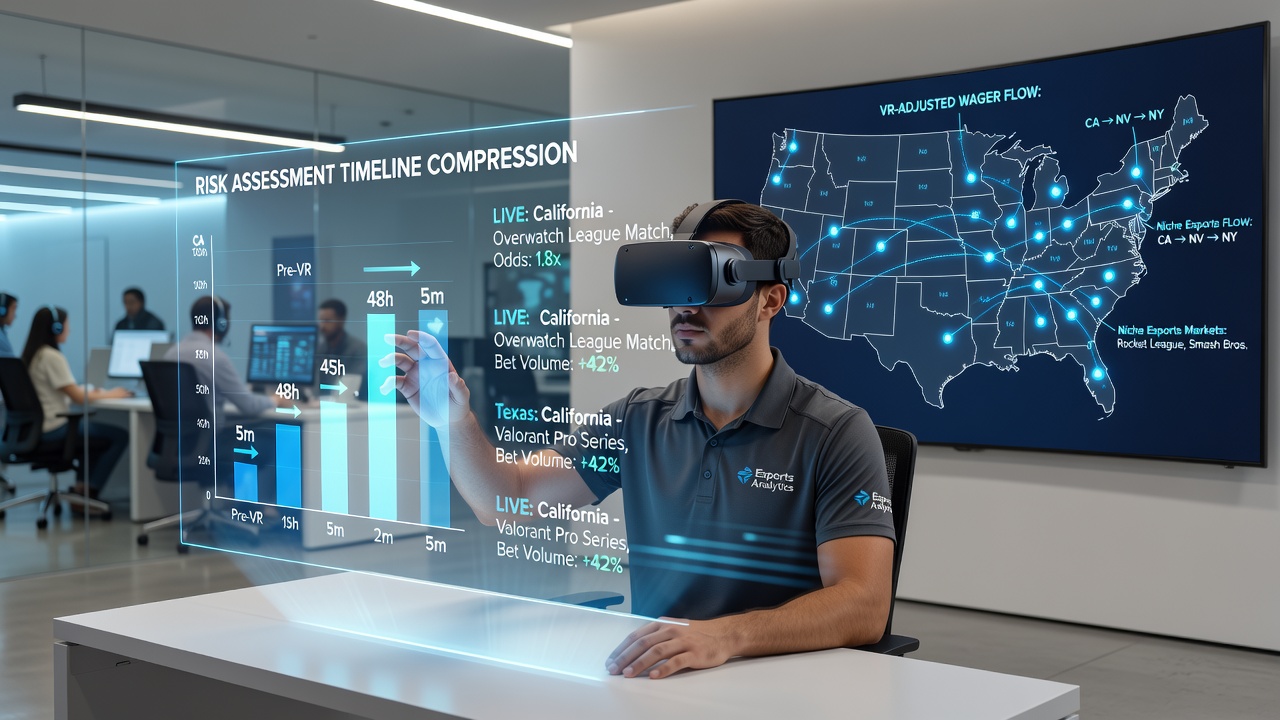
Player Behavior Patterns Observed in 2026
Analytics firms monitoring niche esports circuits documented a measurable rise in multi-state VR sessions throughout the first half of 2026, with participants demonstrating faster reaction to in-game momentum shifts when wearing headsets compared to traditional screen-based interfaces. The American Gaming Association compiled aggregate figures showing that risk assessment sequences involving live team roster changes now complete in tighter intervals, although the presence of varying state-imposed cooling-off periods continues to insert mandatory pauses regardless of technological speed. Observers tracking these patterns note that bettors who switch between VR and mobile formats mid-tournament often revert to longer manual reviews when crossing into stricter regulatory zones.
Future Interface Developments and Compliance Needs
Developers continue integrating predictive modeling tools into VR overlays that forecast odds movement based on historical niche tournament data, potentially further condensing assessment timelines once state regulators finalize uniform standards for such features. Reports submitted to gaming authorities in multiple jurisdictions before July 2026 emphasize the need for synchronized update protocols so that VR systems reflect legal changes without forcing users to exit immersive sessions. Those monitoring adoption rates expect continued refinement of these tools as more states expand esports wagering frameworks, creating additional layers of real-time compliance checks within the same virtual environment.
Conclusion
Virtual reality interfaces have measurably influenced the pace at which participants assess risks in niche esports wagers spanning state lines, primarily through enhanced data integration and reduced context switching, while regulatory fragmentation across jurisdictions maintains counterbalancing delays. Ongoing data collection through 2026 continues to clarify how these competing factors interact within expanding legal markets.