Navigating Transaction Flexibility and Decision Patterns in App-Based Table and Sports Combinations Amid Policy Adjustments
Dana Roth · May 24, 2026
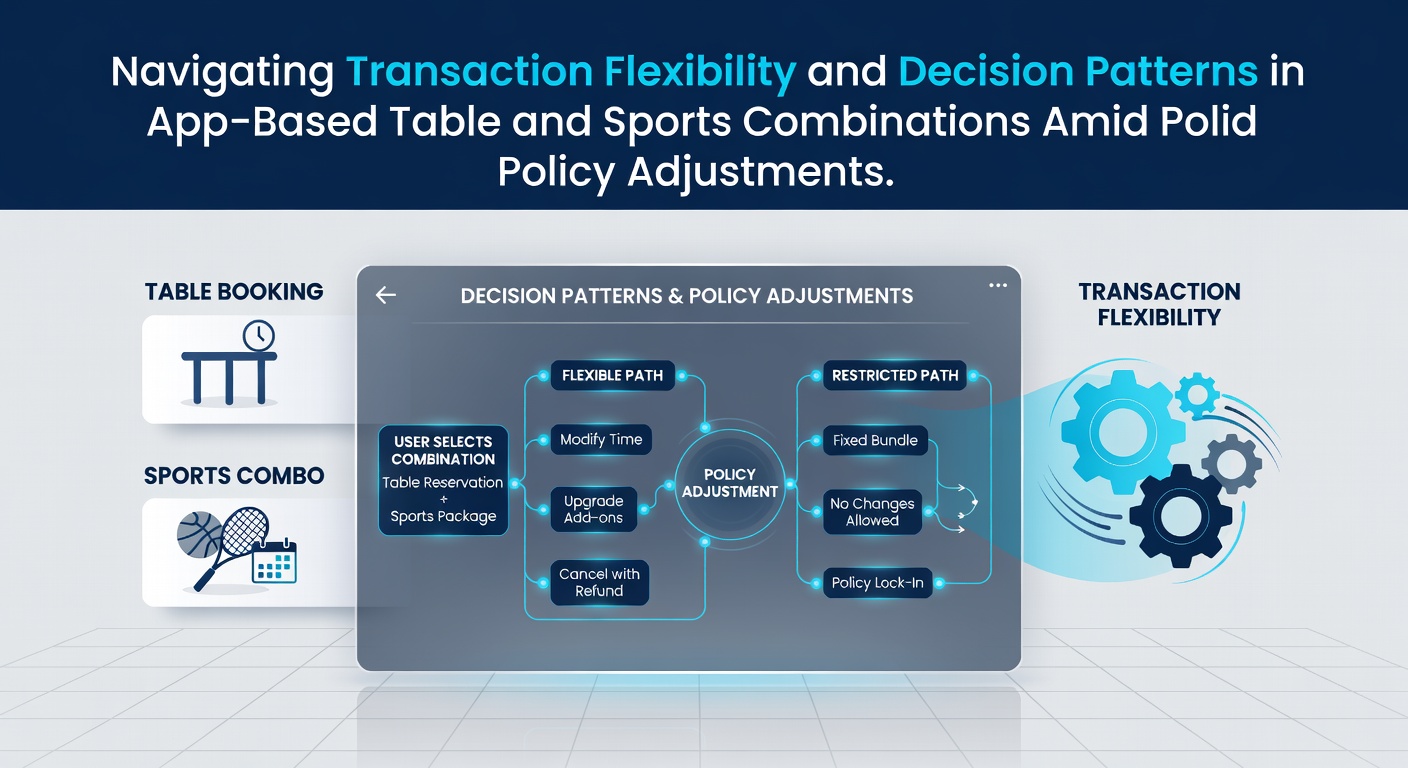
Navigating Transaction Flexibility and Decision Patterns in App-Based Table and Sports Combinations Amid Policy Adjustments
App-based platforms have expanded options for combining table game sessions with sports wagers, and transaction systems now support multiple payment methods that adjust based on user preferences and regulatory requirements. Observers note that developers integrate features such as instant deposits, crypto conversions, and multi-currency support into single interfaces where players switch between blackjack tables and live sports markets without leaving the application.
Policy adjustments in various jurisdictions have prompted these platforms to modify how funds move between different betting categories. In May 2026 several regions updated rules on digital wallet usage and cross-category transaction limits, which required operators to revise their backend systems while maintaining seamless user experiences. Researchers have tracked how these changes influence the speed at which players move money from sports accounts into table game balances and vice versa.
Transaction Methods and Their Role in Combined Offerings
Payment processors that serve both sports and table game segments now offer tiered verification levels, allowing quicker access for established users while applying stricter checks on new accounts. Data from regulatory filings shows that platforms in North American markets have increased support for e-wallets and bank transfers that settle within seconds, whereas some European operators continue to rely on card-based systems that add small delays during peak hours. These differences affect how quickly a player can shift from placing a parlay bet to joining a roulette session.
Studies conducted by academic teams at institutions focused on behavioral economics reveal patterns in which users select payment methods based on the size of their intended wager rather than the game type itself. Larger sports bets often route through bank-linked options that provide detailed records, while smaller table game deposits frequently use prepaid cards or digital tokens for speed. Operators have responded by building dashboards that display available methods alongside current regulatory caps in each jurisdiction.
Decision Patterns Among Users of Integrated Apps
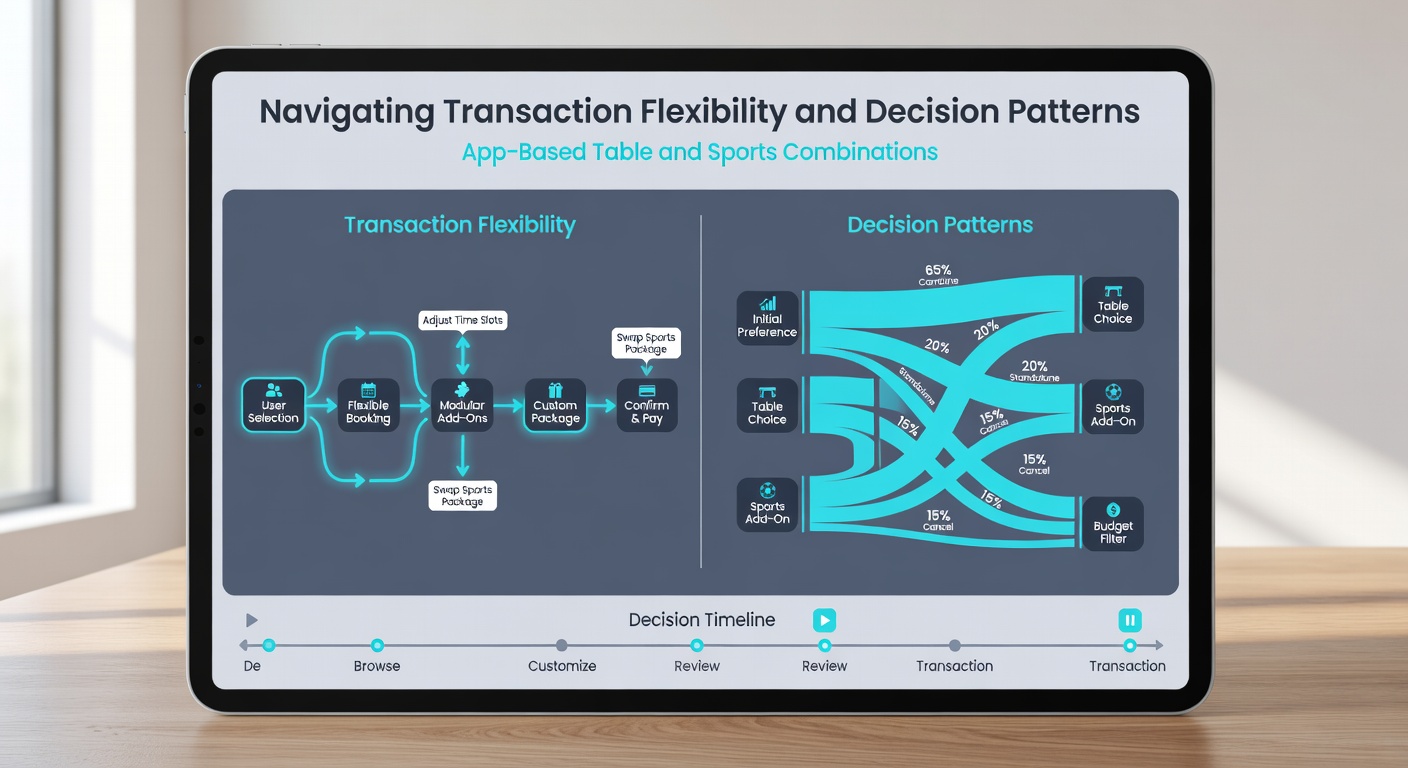
Analytics collected across multiple platforms indicate that players who combine table games with sports wagers tend to follow repeatable sequences during single sessions. One common sequence begins with sports market browsing followed by a quick deposit, then a switch to table games once the sports event starts. Another pattern shows users monitoring live odds while simultaneously managing table game bankrolls through split-screen views.
Figures released by the Nevada Gaming Control Board highlight that combined-activity accounts grew steadily through early 2026, with users averaging more frequent but smaller transactions than those focused on a single category. Decision trees mapped by data scientists show that policy changes around deposit frequency directly correlate with shifts in session length, as users adjust timing to stay within updated daily limits.
Regional Policy Shifts and Platform Adaptations
Adjustments implemented in May 2026 in several Australian states required operators to separate transaction logs for sports and table game activities more clearly, which led developers to add exportable reports within their apps. Canadian provinces introduced new verification steps for combined accounts, prompting platforms to embed identity checks directly into the deposit flow rather than requiring separate logins. These modifications have not altered core gameplay but have changed how long users spend reviewing terms before confirming transfers.
Industry reports from organizations such as the Responsible Gambling Council document that clearer separation of transaction categories helps users maintain spending awareness across different bet types. Platforms that adopted these reporting tools earlier recorded fewer account flags for limit breaches during the transition period.
Future Considerations for Operators and Users
Continued evolution of payment rails and regulatory frameworks will likely shape how integrated apps present choices to players. Those who have examined similar transitions in other sectors note that flexibility in transaction routing remains a key factor in user retention when policy environments shift. Platforms that provide real-time visibility into available methods and associated fees give users clearer paths through the combined table and sports experience.
Conclusion
App-based environments that merge table games with sports betting continue to adapt transaction systems in response to policy updates, while user decision sequences reflect both convenience and compliance requirements. Data gathered through 2026 demonstrates measurable changes in transaction timing and method selection following regulatory revisions, particularly those enacted in May. Operators maintain records that allow researchers to track these patterns across regions, and platforms that prioritize transparent payment options have sustained activity levels during periods of adjustment.