Seasonal Influences on Funding Preferences in Combined Athletic and Dealer-Led Gaming Sessions via Smartphone Interfaces
Dana Roth · Jul 12, 2026
Seasonal Influences on Funding Preferences in Combined Athletic and Dealer-Led Gaming Sessions via Smartphone Interfaces
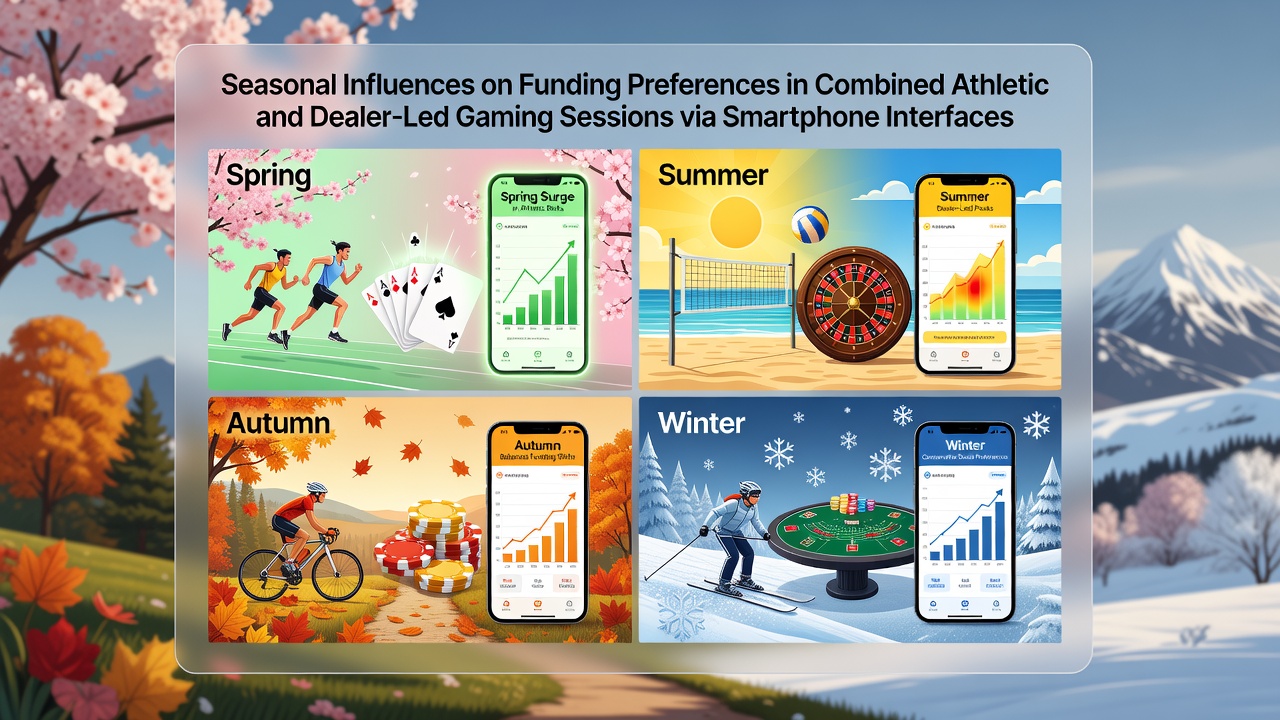
Seasonal shifts alter how users approach funding for sessions that blend athletic wagers with dealer-led table games on mobile platforms, and data from regulatory bodies tracks these patterns across multiple regions. Payment method selections change as daylight hours, holiday calendars, and weather conditions influence user routines, while combined interfaces allow seamless switches between sports markets and live dealer streams without leaving the application. Observers note that transaction volumes in these hybrid environments rise during certain months because users adjust deposit sizes and timing to match available leisure periods.
Summer Patterns in Mobile Funding Choices
July 2026 records show elevated use of instant bank transfers and digital wallet top-ups during evening hours when users combine live baseball or soccer markets with dealer-led blackjack or roulette streams. Longer daylight periods coincide with more frequent smaller deposits that support extended sessions, and figures from iGaming Ontario reveal a 14 percent increase in such hybrid activity compared with spring months. Users often initiate funding right after checking real-time odds or dealer availability, which creates clusters of transactions around major athletic events that overlap with casino table openings.
Heatwaves in certain markets push more activity indoors, and this leads to higher adoption of stored payment methods that reduce friction when switching between athletic and dealer-led sections. Research from the Australian Gambling Research Centre indicates that summer months produce steadier funding intervals because users integrate gaming into vacation schedules without large single deposits. Combined smartphone interfaces record these habits through timestamped logs that show preferences for methods offering immediate confirmation before a live dealer round begins or a sports market closes.
Autumn and Winter Adjustments in Transaction Behavior
As temperatures drop, funding preferences move toward scheduled transfers and prepaid options that align with holiday budgeting cycles. Data collected across North American and European platforms shows users in these seasons favor methods with built-in spending caps when they alternate between football or basketball wagers and dealer-led poker variants. Winter holidays introduce additional peaks around family gatherings, yet transaction sizes remain moderate because participants balance athletic event timing with dealer table availability on the same device.
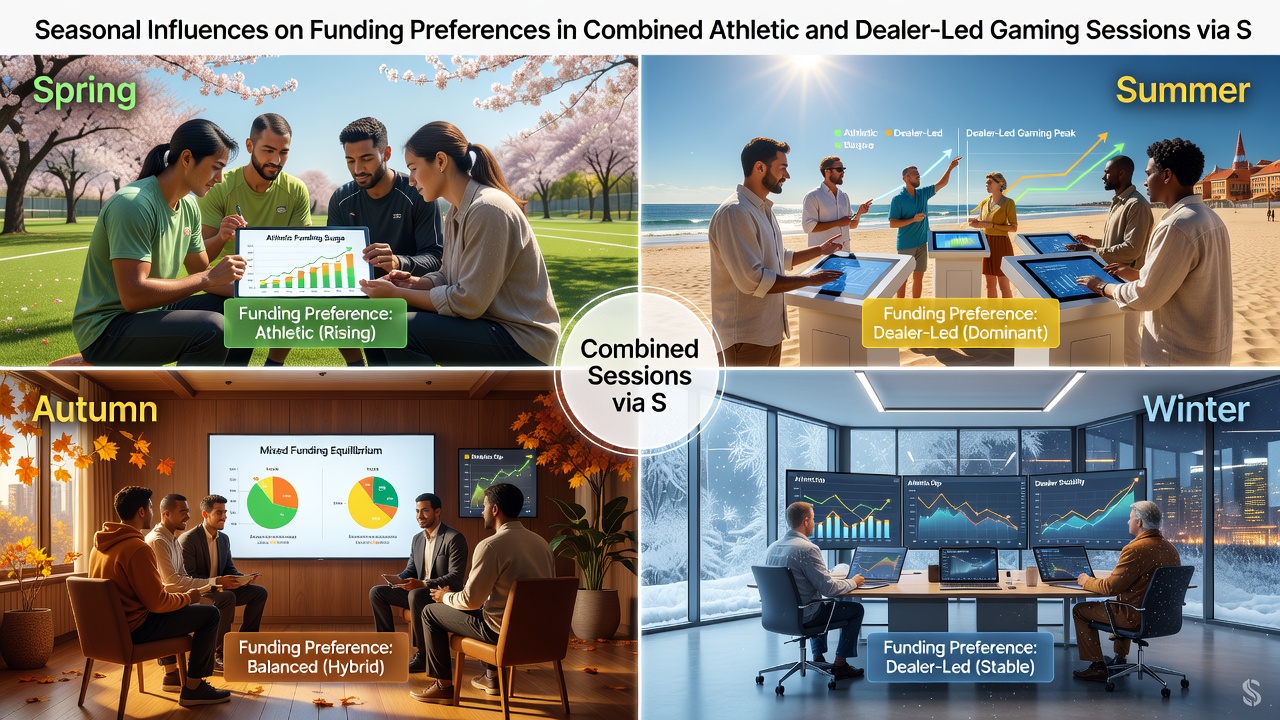
Shorter days encourage earlier session starts, and this timing shift produces distinct patterns where deposits occur before prime-time sports markets open. Studies compiled by the Nevada Gaming Control Board document that winter funding logs contain more recurring authorization settings, allowing users to move between dealer-led baccarat and in-game sports props without repeated verification steps. These adjustments appear consistently across regions where regulatory reporting captures seasonal variances in payment instrument usage.
Spring Transitions and Cross-Category Funding
Spring months serve as a bridge period where funding preferences begin to diversify again after winter routines. March and April data sets indicate rising interest in promotional funding tied to upcoming athletic seasons, while dealer-led tables maintain steady evening traffic. Users gradually increase deposit frequency as outdoor activities resume, yet they retain winter-era preferences for verification-light methods during quick switches between mobile sportsbooks and live casino streams.
Platform analytics demonstrate that spring funding often clusters around regulatory announcements or license renewal periods, which indirectly affect available payment rails. Combined athletic and dealer-led sessions benefit from these changes because smartphone applications update funding menus in real time, and users respond by testing newly enabled options during transitional weeks. Evidence from multiple jurisdictions confirms that these seasonal handoffs produce measurable but predictable shifts rather than abrupt changes in overall volume.
Regional Regulatory Context and Data Collection
Authorities in different jurisdictions collect transaction metadata that highlights seasonal funding trends without identifying individual accounts. Ontario and Australian regulators publish aggregated reports that separate hybrid mobile activity from standalone categories, allowing analysts to isolate preferences tied to combined athletic and dealer-led formats. These reports show consistent month-to-month variations that align with calendar events rather than isolated platform promotions.
Smartphone interfaces record session metadata that includes deposit method, timing, and category sequence, which researchers cross-reference with weather and sports calendars. The resulting datasets support comparisons across hemispheres, where summer in one region corresponds to winter patterns elsewhere. Such geographic balancing helps clarify that seasonal effects stem from user availability and event density rather than platform-specific mechanics alone.
Conclusion
Seasonal influences on funding preferences manifest through measurable changes in deposit timing, method selection, and session length within combined athletic and dealer-led smartphone environments. Regulatory data from multiple regions documents these patterns across summer, autumn, winter, and spring cycles, and platform logs confirm that users adapt funding behavior to match shifting leisure windows and event calendars. Continued collection of aggregated transaction information will further clarify how these seasonal factors interact with evolving mobile interfaces and regulatory frameworks.