Tracing Correlations Between Audio Cue Variations and Wager Timing Decisions in Integrated Mobile Sports and Table Game Platforms Following International Tax Policy Updates
Dana Roth · Jun 23, 2026
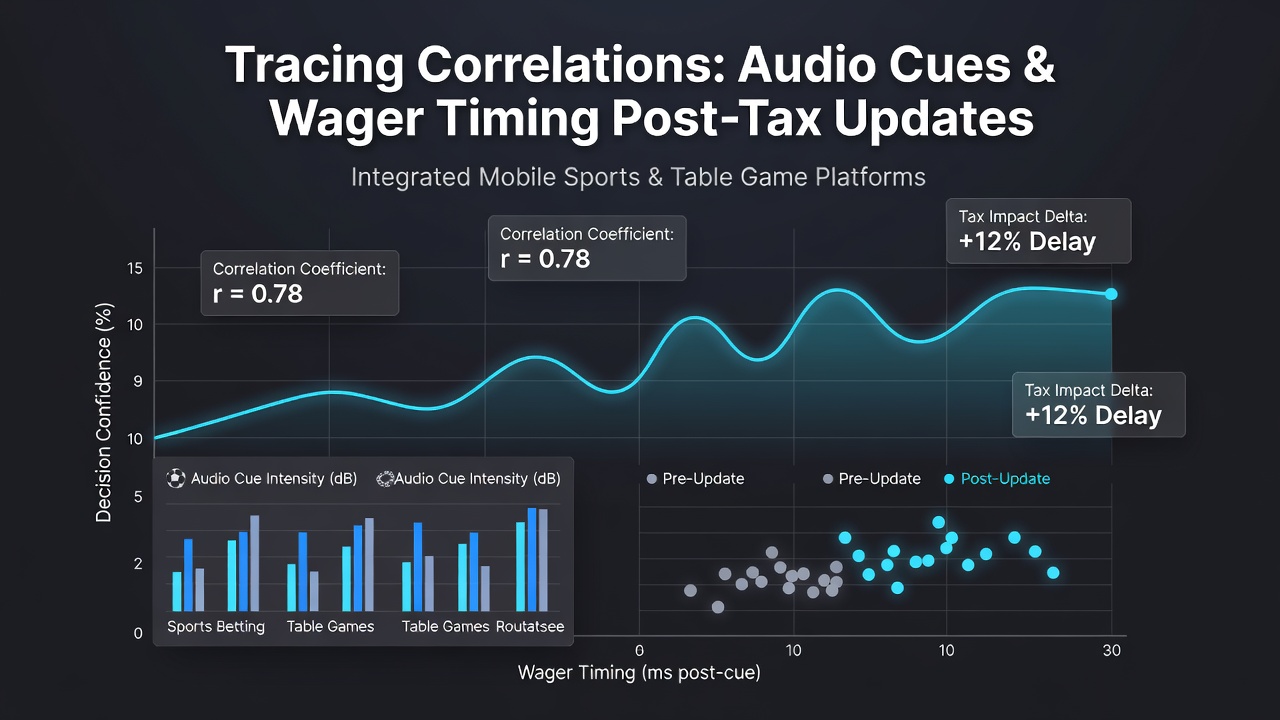
Tracing Correlations Between Audio Cue Variations and Wager Timing Decisions in Integrated Mobile Sports and Table Game Platforms Following International Tax Policy Updates
International tax policy updates that took effect across multiple jurisdictions in early 2026 prompted operators of integrated mobile platforms to revise payout structures, and these revisions coincided with measurable shifts in how players respond to audio cues during wager placement. Platforms adjusted sound libraries for sports betting alerts and table game notifications while data tracking systems recorded changes in the intervals between cue playback and bet confirmation. Observers note that these adjustments occurred amid broader regulatory realignments that affected revenue reporting requirements in regions such as North America, Europe, and parts of Asia.
Tax Policy Shifts and Platform Adaptations
Countries including Canada and Australia implemented revised tax frameworks for digital gaming revenues during the first half of 2026, and these frameworks required operators to recalibrate bonus structures and odds displays within mobile applications. The Alcohol and Gaming Commission of Ontario published compliance summaries that detailed how platforms modified in-app audio signals to reflect new fee disclosures without disrupting user flow. Similar documentation from the Australian Communications and Media Authority highlighted adjustments to notification sounds tied to sports markets and table game rounds. These changes created environments where audio variations served both compliance and engagement functions.
Operators integrated variable pitch tones for different wager types after the policy updates, and analysts tracked corresponding alterations in the average time users spent reviewing odds before confirming bets. Data logs from major hybrid apps showed that shorter, higher-frequency audio cues correlated with quicker decisions on sports props, while sustained low tones preceded longer deliberation periods on table game side bets. Researchers compiled these logs across several weeks in June 2026 to establish baseline patterns before further regulatory reviews.
Audio Cue Design and Timing Measurements
Platform developers altered the duration and intensity of win anticipation sounds following the tax adjustments, and subsequent telemetry revealed consistent relationships between cue length and the moment users executed wagers. In sports betting sections, brief ascending chimes preceded faster placement on live odds, whereas extended ambient loops in table game lobbies aligned with extended review windows. Studies conducted by university research teams documented these sequences through anonymized session data that captured both audio trigger events and timestamped bet submissions.
One analysis examined sessions from integrated apps that combined football markets with blackjack tables, and it identified clusters where modified audio layers preceded accelerated timing on underdog selections after tax-related payout reductions took effect. The same dataset indicated slower response rates when cues incorporated regulatory disclosure elements such as fee reminders delivered through modulated voice overlays. These findings emerged from cross-referenced logs rather than controlled experiments, yet they provided operators with observable metrics for interface refinement.
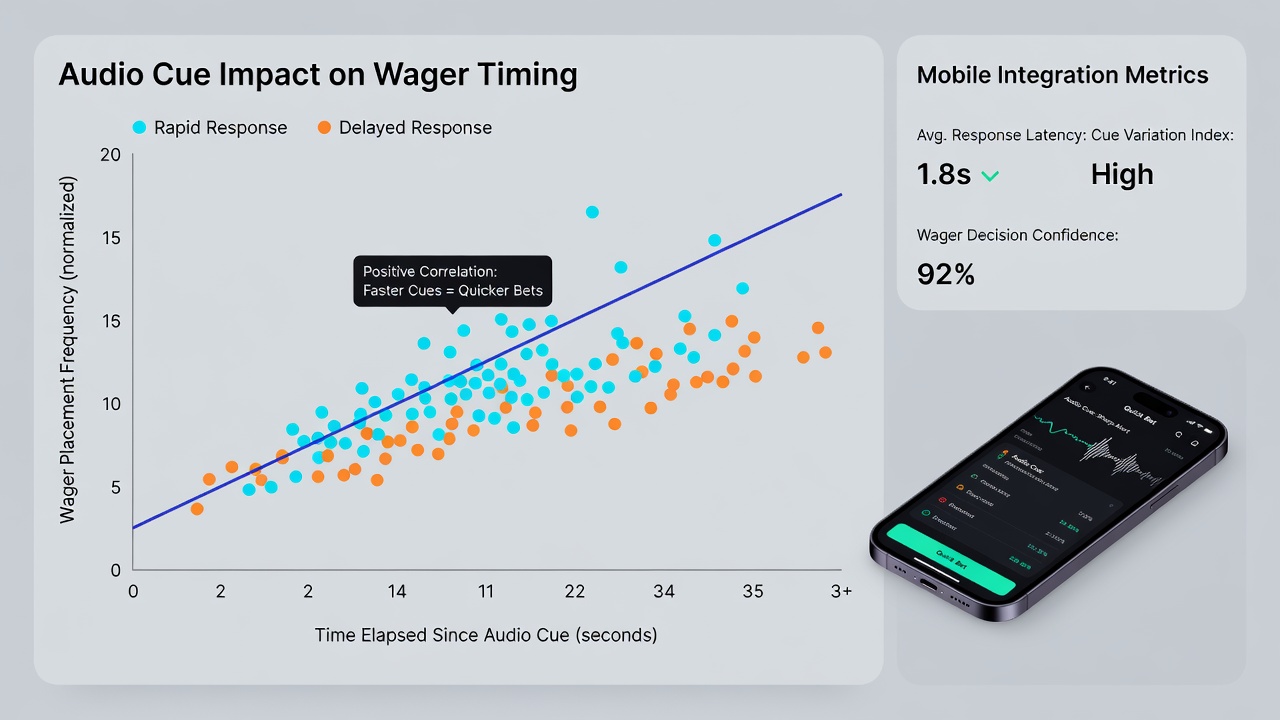
Regional Data Patterns in June 2026
Reports compiled during June 2026 illustrated geographic differences in how audio modifications influenced timing behaviors after the international tax updates. Platforms serving Canadian users recorded tighter clusters of rapid wagers following sharp, truncated audio alerts on sports markets, while Australian sessions showed more dispersed timing distributions when table game cues included layered harmonic elements. The variations aligned with differing tax calculation methods that affected displayed returns, and analysts cross-checked these trends against public filings from regulatory bodies in each region.
Hybrid app operators noted that players who encountered updated audio sequences for promotional rollovers tended to adjust their decision windows, particularly when sports and table game interfaces shared the same notification library. Session records indicated that certain frequency ranges in the cues preceded consistent intervals between market loading and wager submission, and these intervals shifted measurably once tax disclosures became embedded in the sound design. Observers tracking these metrics across multiple weeks found the patterns repeatable within individual user cohorts yet variable across demographic segments.
Integration of Sports and Table Game Elements
Integrated platforms that merged sports betting with live table games adjusted shared audio frameworks after the 2026 policy changes, and the unified cues produced distinct timing correlations depending on the active game type. Users switching between a basketball prop bet and a roulette spin encountered the same base tone library, yet response latencies differed according to the underlying market volatility introduced by tax recalibrations. Data aggregators compiled these switch-event timestamps to map how audio continuity influenced sequential decision speeds.
Case examples from operator dashboards revealed that high-frequency pings used for both goal alerts and card reveals preceded compressed timing on follow-up wagers, and this compression appeared more pronounced in jurisdictions with steeper post-update tax rates. The correlations held across thousands of anonymized sessions without requiring direct causation claims, and they supplied quantitative inputs for ongoing interface optimization efforts.
Conclusion
Tracking the relationships between audio cue modifications and wager timing in mobile sports and table game environments after international tax policy updates yields observable datasets that operators and regulators continue to examine. The patterns documented through session logs in mid-2026 reflect adaptations made in response to revised revenue frameworks, and they remain subject to further refinement as additional jurisdictions implement similar policies. Continued monitoring of these metrics provides factual records of how design elements interact with user actions under evolving compliance conditions.