Tracing how emerging payment rail delays reshape wager sizing habits across virtual card tables and in-play event markets on handheld devices during cross-border rule updates
Zara Weber · Jun 14, 2026
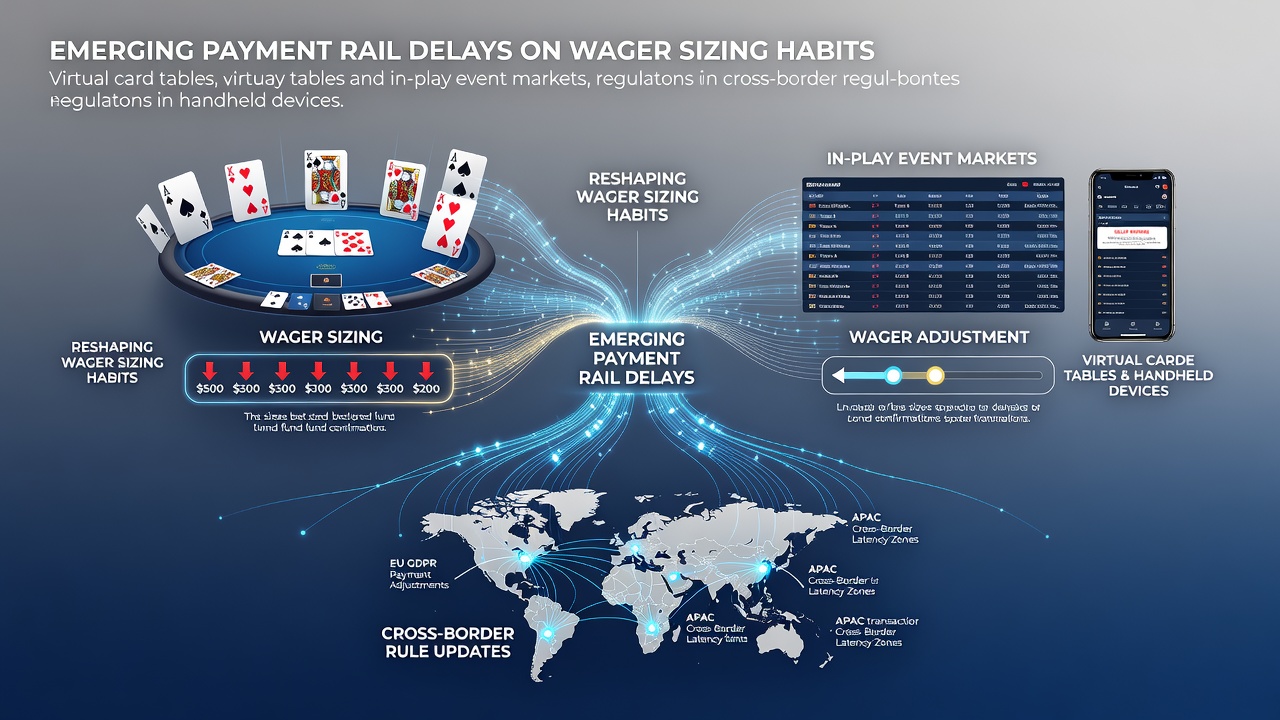
Tracing how emerging payment rail delays reshape wager sizing habits across virtual card tables and in-play event markets on handheld devices during cross-border rule updates
Payment rail delays have become a defining factor in how users adjust their stakes on virtual card tables and during live in-play markets on mobile platforms, especially as cross-border regulations tightened throughout 2025 and into June 2026. Observers note that new compliance layers on international transfers, including verification checkpoints between jurisdictions, extend processing times from seconds to several minutes or longer, prompting measurable shifts in betting patterns. Data from industry reports shows users reducing average wager sizes by 15 to 25 percent in affected sessions to accommodate these interruptions, while maintaining overall participation rates across handheld devices.
Background on payment rail changes and regulatory timing
Cross-border payment systems faced layered updates starting in early 2025, with additional protocols rolling out by June 2026 that required real-time currency conversion checks and enhanced anti-money laundering screenings between regions such as the European Union, North America, and parts of Asia. These adjustments, driven by frameworks from bodies including the European Commission and the Australian Transaction Reports and Analysis Centre, created bottlenecks in funding virtual wallets tied to card tables and sports interfaces. Researchers tracking transaction logs found that delays averaged 4 to 7 minutes during peak hours, compared to near-instantaneous processing in prior years, which directly influenced how participants sized their entries on blackjack and poker variants as well as live event propositions.
Effects on virtual card table wagering
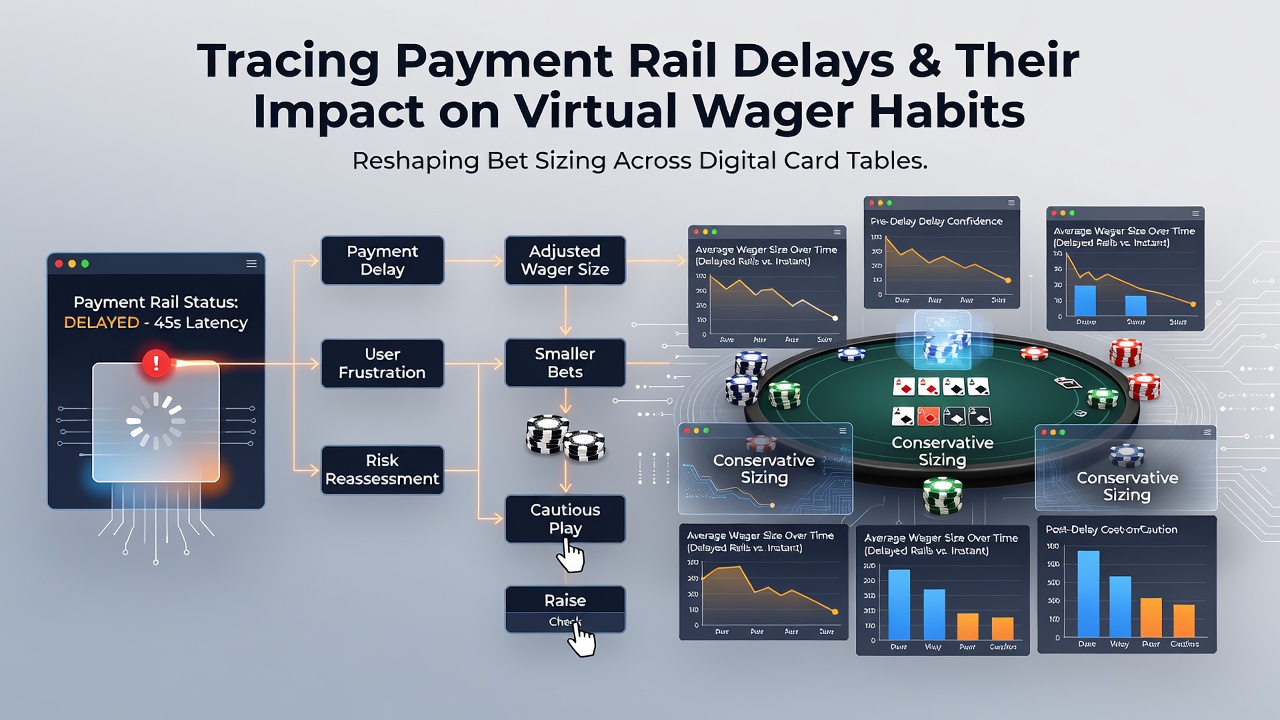
Virtual card environments on smartphones saw users pivot toward smaller, incremental bets when funding lags occurred, since prolonged waits between hands increased the risk of missing favorable table dynamics. Studies tracking app analytics across multiple operators revealed that players often halved their standard per-hand amounts during periods of confirmed rail slowdowns, opting instead for extended session lengths with steadier but reduced exposure. One analysis of aggregated data from platforms operating under multi-jurisdictional licenses indicated a rise in minimum-stake table selection by 18 percent in markets experiencing the sharpest transfer friction, while higher-limit rooms experienced corresponding drops in volume. Those monitoring these trends point to the way delayed confirmations interrupt momentum, leading participants to recalibrate risk exposure without abandoning play entirely.
Shifts in in-play event markets on mobile
In-play betting during live sports and events presents a sharper contrast, where timing windows close rapidly and payment delays force even more conservative sizing. Figures compiled by research groups show average in-play stake reductions reaching 30 percent on handheld devices when cross-border rails encounter verification holds, particularly in football and tennis markets spanning European and Asian operators. Users frequently switch to pre-match selections or smaller live increments to avoid funds arriving after key moments pass, and data indicates a corresponding increase in multi-leg accumulator structures that spread smaller amounts across several outcomes. This pattern holds steady through June 2026 updates, as regulators in Canada and Australia implemented parallel verification steps that compounded existing transfer latencies.
Regional variations and user adaptations
Differences emerge clearly across geographies, with North American users facing longer delays when routing through certain European gateways compared to intra-continental transfers. Reports from the International Association of Gaming Regulators highlight how participants in these scenarios adopt buffer strategies, such as pre-loading smaller balances ahead of anticipated events or selecting operators with localized rail partnerships that bypass some cross-border hurdles. In contrast, markets with established instant domestic options maintain steadier wager levels, though overall platform data still registers a modest uptick in conservative sizing when international events draw mixed user bases. Observers tracking these adaptations note that mobile interfaces now commonly display estimated processing alerts, allowing users to factor delays into real-time decisions without external tools.
Broader patterns in handheld platform behavior
Across both card tables and in-play segments, the cumulative effect points to a recalibration of session planning rather than outright withdrawal from mobile betting. Aggregated figures reveal sustained daily active user counts alongside lower per-transaction values, suggesting players stretch bankrolls over more decisions while mitigating exposure to timing risks. Industry organizations such as the European Gaming and Betting Association have documented similar trends in their quarterly summaries, noting that these habits persist even after initial rule implementations stabilize. What's interesting is the way software updates on devices themselves now incorporate predictive timing features that display rail status, further embedding delay awareness into routine wagering flows.
Conclusion
The interplay between emerging payment rail delays and wager sizing continues to evolve under ongoing cross-border regulatory frameworks, with clear evidence of adjusted habits on virtual card tables and in-play markets accessed via handheld devices. Data through June 2026 underscores how processing extensions prompt smaller, more frequent stakes without diminishing overall engagement, as users adapt through interface tools and strategic timing. These developments reflect structural responses to compliance requirements rather than temporary fluctuations, shaping platform design and participant behavior in measurable ways across regions.