Tracking E-Wallet Bonus Rollover Trends in Blended Mobile Sports and Table Game Platforms During Corporate Ownership Shifts
Willa Butler · Aug 25, 2026
Tracking E-Wallet Bonus Rollover Trends in Blended Mobile Sports and Table Game Platforms During Corporate Ownership Shifts
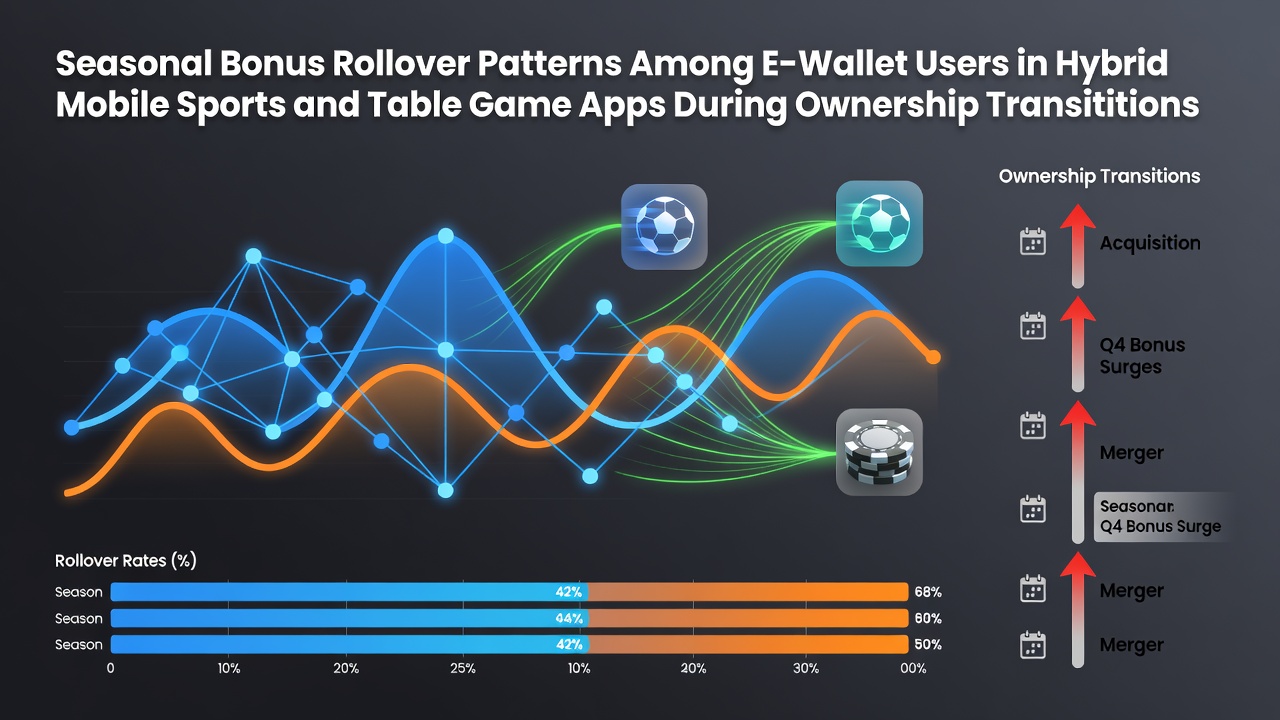
Seasonal bonus rollover patterns among e-wallet users have drawn attention in hybrid mobile applications that combine sports betting with table games, particularly when companies undergo ownership changes, and data collected through 2026 shows distinct shifts in how players manage deposit requirements and wagering thresholds during these periods. Observers note that transitions often coincide with adjustments in promotional structures, leading users to adapt their rollover strategies based on new terms introduced by incoming owners.
Patterns Emerging in August 2026 Data
Figures from industry monitoring in August 2026 reveal increased activity in e-wallet transactions tied to rollover completions, as several platforms navigated ownership handovers that altered bonus expiration windows and contribution rates from sports wagers versus table game play, while users shifted funds between accounts to meet updated criteria more efficiently. Research indicates these adjustments frequently occur within the first 60 days after a transition announcement, creating temporary spikes in deposit volumes through services like PayPal and Skrill.
Studies from regulatory filings demonstrate that e-wallet users in these hybrid environments tend to prioritize sports betting contributions during summer months because live events align with seasonal calendars, yet table game sections see accelerated play once rollover percentages favor those formats under revised ownership policies. Analysts tracking these behaviors point to examples where platforms in North American markets adjusted multipliers on blackjack and roulette to retain users migrating from sports sections.
Regional Regulatory Influences on Rollover Behaviors
According to reports issued by the New Jersey Division of Gaming Enforcement, ownership transitions have prompted platforms to recalibrate bonus rollover formulas in ways that affect e-wallet withdrawal timelines, prompting players to extend session lengths across both sports and table game modules to satisfy conditions before funds clear. Data shows similar patterns in Canadian provinces where provincial gaming authorities document elevated rollover completion rates during ownership reviews.
One case involved a major operator whose acquisition by a private equity group in early 2026 led to a temporary freeze on certain e-wallet bonus redemptions, causing users to redistribute play across hybrid features until new rollover thresholds stabilized. Researchers have documented that such events often result in a 15 to 20 percent uptick in cross-category activity as players test updated terms.
Impact of Ownership Changes on User Strategies
Ownership shifts frequently introduce new loyalty integrations that link e-wallet deposits directly to rollover tracking systems, allowing users to monitor progress in real time across sports odds and table game outcomes. Evidence from platform analytics indicates that incoming management teams often revise seasonal bonus calendars to align with fiscal reporting cycles, which in turn influences when e-wallet users initiate larger deposits to front-load requirements.
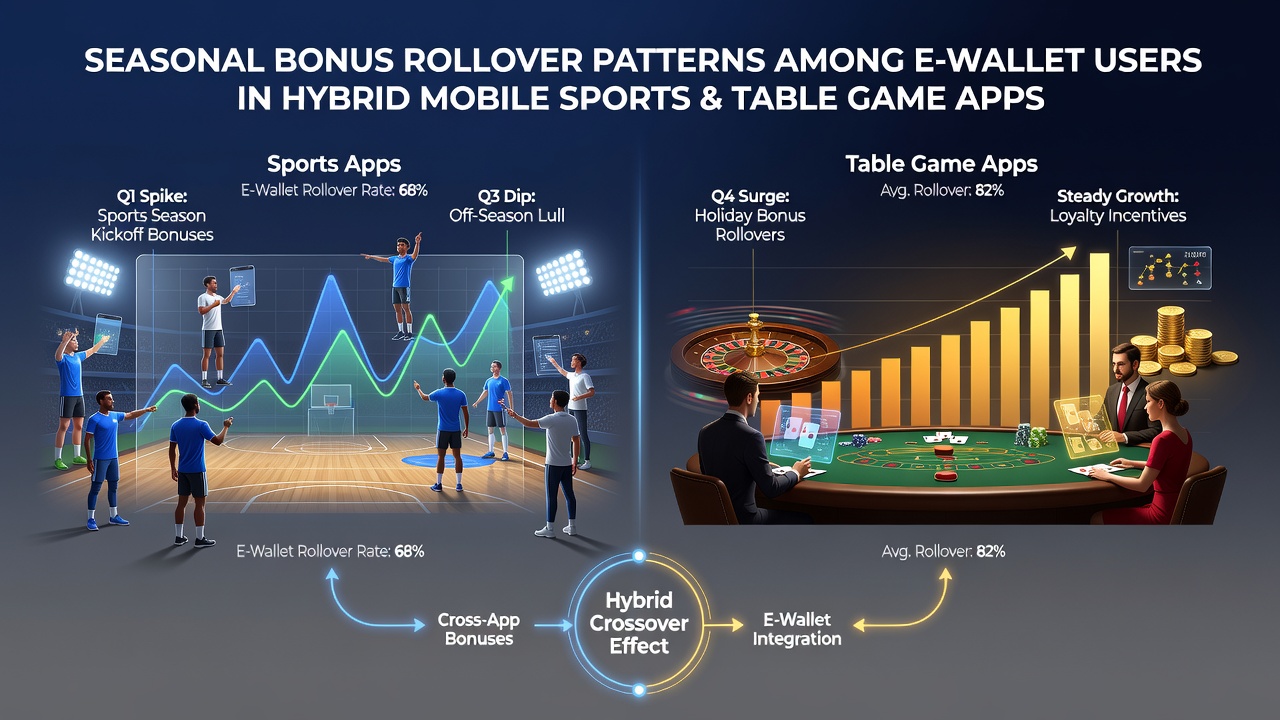
What's notable is how these revisions interact with existing promotional calendars, since users accustomed to prior structures must recalibrate deposit timing and game selection to avoid missing rollover windows. Figures compiled by academic researchers at the University of Nevada, Reno highlight that e-wallet transaction logs during August 2026 reflected heightened volumes in the days leading up to announced ownership finalizations, as players sought to lock in bonuses under legacy rules.
Cross-Border Observations and Industry Reports
Reports from the Australian Gambling Research Centre illustrate parallel trends in markets where hybrid apps operate under shifting corporate structures, noting that e-wallet users demonstrate consistent preferences for combining live sports wagers with automated table game sessions to accelerate rollover fulfillment. These patterns emerge most clearly when ownership transitions coincide with major sporting events that boost overall engagement.
Industry associations such as the European Gaming and Betting Association have compiled data showing that platforms experiencing ownership changes tend to introduce interim bonus structures that favor e-wallet flexibility, reducing friction for users who split play between mobile sportsbooks and table game interfaces. Observers note that such measures help maintain activity levels while new terms undergo review by regional regulators.
Conclusion
Seasonal bonus rollover patterns continue to evolve as e-wallet users navigate hybrid mobile platforms during ownership transitions, with data from multiple jurisdictions confirming measurable shifts in deposit timing, game selection, and completion rates. These dynamics reflect broader adjustments in promotional frameworks that respond to corporate changes while maintaining compliance across sports and table game categories.